Space Exploration · 2026-09-15
Artemis III Moon Landing: The Astronauts Just Visited Their Rocket — 54 Years After Apollo
The last human footprint on the Moon was pressed into grey dust on December 14, 1972. For 54 years, no wind has disturbed it. No rain. No other boots.
Just waiting.
Today, the astronauts who will make the next ones stood inside the building where their rocket is being assembled.
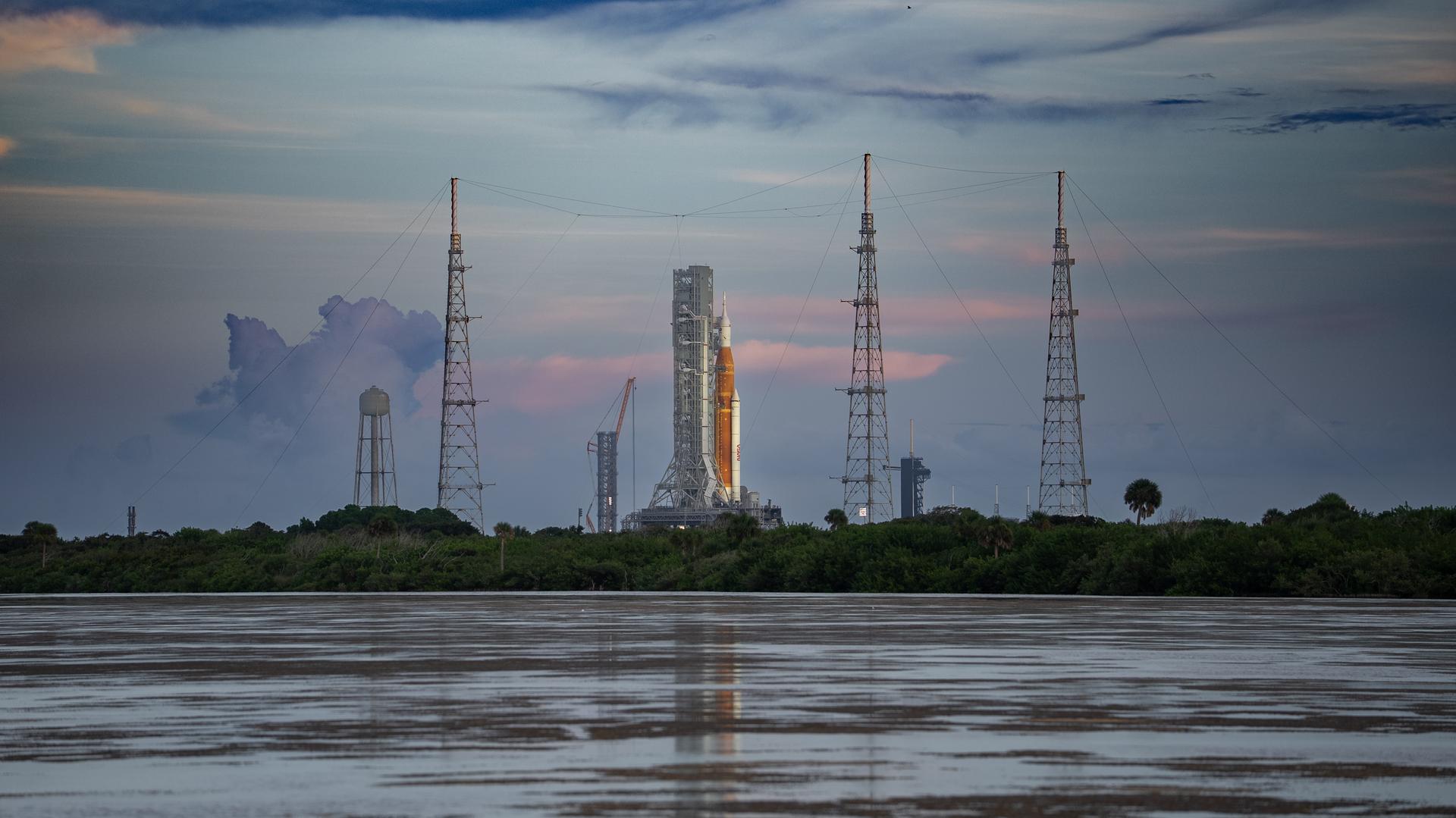
NASA astronaut Randy Bresnik and ESA's Luca Parmitano walked through High Bay 3 of the Vehicle Assembly Building at Kennedy Space Center on September 15, 2026. They were looking at the solid rocket boosters for Artemis III — the towering columns of fuel and fire that will lift the next generation of Moon walkers off the ground.
What is Artemis III — and when will it launch?
Artemis III is NASA's lunar landing mission. Not a flyby. Not an orbit. An actual landing, with humans stepping onto the surface for the first time since Apollo 17. NASA is targeting 2027, and agency leadership has said publicly they are "extremely confident" in that window.
This follows Artemis II, which made history in April 2026 when four astronauts flew around the Moon — the first crewed lunar mission since 1972. That flight proved the Orion capsule and the Space Launch System work with people on board. Now the programme takes the final step: descent to the surface.
Who is the Artemis III crew?
Randy Bresnik is a former Marine Corps test pilot who flew to the International Space Station in 2017. He is exactly the kind of calm, methodical astronaut you want at the controls of a spacecraft descending to the lunar surface.
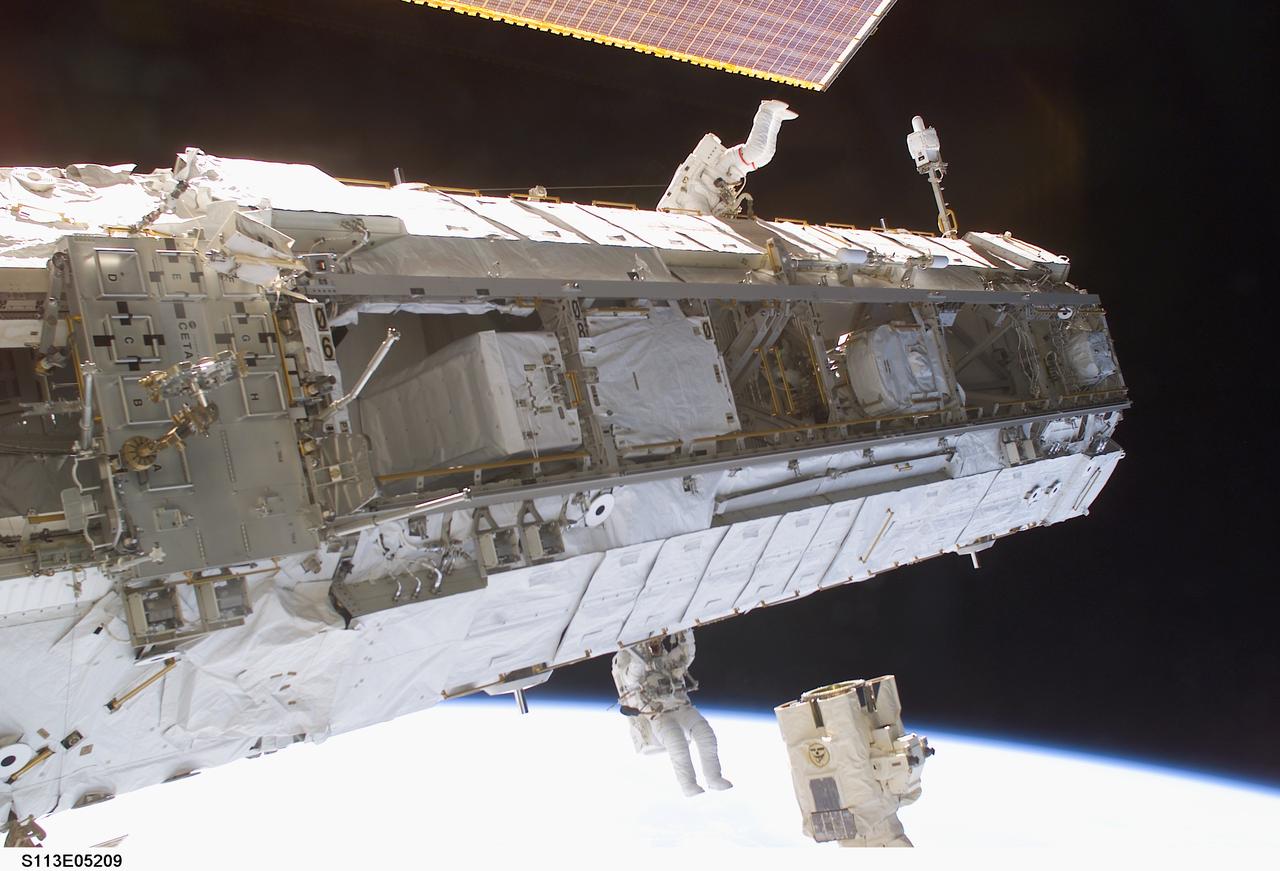
Luca Parmitano is Italian, ESA-trained, and already one of the most experienced astronauts alive. He commanded the International Space Station in 2019. In 2013, his helmet began filling with water during a spacewalk — he was nearly drowning 400 kilometres above the Pacific Ocean, navigating back to the airlock blind. He survived. He flew again. Now he is preparing to walk on the Moon.
If he does, Luca Parmitano will be the first European astronaut in history to set foot on the lunar surface. Fifty years of American flags. Then an Italian boot print.
What is the Vehicle Assembly Building and why does it matter?
The VAB is not just a building. It is the cathedral of the Space Age.
At 160 metres tall, it is one of the largest structures on Earth by interior volume. The American flag painted on its south face is 65 metres wide — the size of a full football pitch lying on its side. On humid Florida days, clouds form inside. Sometimes it rains in there.
Every Saturn V rocket that carried humans to the Moon was assembled in this building. Apollo 11. Apollo 17. All of them stood in this same enormous room before making history. Today, Bresnik and Parmitano stand where Neil Armstrong's rocket once stood — looking at the boosters that will send them to the same destination.
The engineers who assembled those Saturn V rockets are in their eighties now. Some were probably watching the news today.
Why is Artemis III landing near the lunar South Pole?
Apollo went to the equatorial regions — flat, sunlit, easy to reach. Artemis III is going somewhere far more interesting, and far more dangerous: the lunar South Pole, near a crater called Shackleton.
The South Pole has craters that have never once seen sunlight. In their permanent shadow, temperatures drop to around −200°C — cold enough to preserve water ice that has been accumulating for billions of years, delivered by comets and asteroids since before life existed on Earth.
That ice is the reason.
Billions of tonnes of frozen water, unmelted, uncontaminated. Water that can be split into hydrogen and oxygen — rocket fuel and breathable air. Water that transforms the Moon from a dead end into a launchpad. Artemis III is not just a return visit. It is a geological survey for the future gas station of the solar system.
How does Artemis III actually land on the Moon?
It is more complex than Apollo — and more ambitious.
The SLS rocket and Orion capsule carry the crew to lunar orbit. From there, they transfer to a SpaceX Starship variant already waiting in orbit — specifically configured as the Human Landing System. This vehicle descends to the surface.
Here is the thing that sounds like science fiction: the Apollo Lunar Module was about the size of a small car. The Starship HLS stands 50 metres tall. Astronauts will descend from the hatch to the surface using an elevator.
An elevator. On the Moon. Arriving in 2027.
Is the 2027 launch date actually realistic?
The hardware is real. The crew is active and visiting their rocket. Artemis II flew in April 2026, proving the core systems work with humans aboard. The programme has strong political backing — both the White House and Congress have staked considerable prestige on returning Americans to the Moon before China does.
However — and this matters — Artemis has slipped before. Artemis I flew two years late. Artemis II launched in 2026 after being originally scheduled for 2024. Every space journalist knows what "extremely confident" sounds like from a NASA administrator, and every space journalist has been burned by that phrase before.
To be fair: 2027 is genuinely plausible in a way that earlier targets were not. Key hardware exists. The crew is training. The political urgency is real — China has announced plans to land taikonauts on the Moon before 2030, and that competitive pressure has sharpened minds across the programme. Whether 2027 is a promise, only the Moon knows. But it is no longer just a wish.
What comes after Artemis III — and what is actually at stake?
Artemis IV will bring crew to the Gateway — a small space station being built in lunar orbit, the first permanent human outpost beyond Earth's immediate vicinity. Artemis V and beyond establish extended surface stays, scientific camps, and eventually the infrastructure of a permanent human presence on the Moon.
China's Chang'e programme is moving in parallel. Beijing has committed to a crewed lunar landing before 2030. Two superpowers are racing toward the same patch of grey dust at the South Pole — the patch sitting on top of hundreds of millions of tonnes of water ice.
The first nation to extract that water controls the economics of everything that comes after. Moon-to-Mars corridors. Orbital refuelling depots. The cislunar economy. The next century of human expansion into space.
Bresnik and Parmitano, walking among their rocket's components today, are the opening move in the most consequential territorial competition since the first explorers reached the New World. Right now, 16,022 satellites from a dozen nations are circling the same planet overhead — all orbiting the same story. Watch it unfold live on the SkyLens live tracker. For context on what governments aren't saying publicly, explore the PURSUE declassified archive. And for more on the missions rewriting the next chapter of the space age, browse the SkyLens blog.
SkyLens editorial — live CelesTrak + NASA/JPL data (16022 objects)
Related stories