Space Exploration · 2026-08-20
Stoke Space Nova: The Fully Reusable Rocket Nobody Is Talking About Just Hit Its Biggest Milestone
A small team in a warehouse south of Seattle just finished the engines for a rocket the mainstream space media has barely touched. Their vehicle, called Nova, is designed to reach orbit — then come home. Both stages. Every single flight. And according to milestones confirmed this week, a first launch attempt could happen before the end of 2026.
The company is Stoke Space. Almost nobody outside the aerospace industry is watching them. That might be a mistake.
What is Stoke Space and who built it?
Stoke Space was founded by Andy Lapsa and Tom Feldman — both veterans of Blue Origin, Jeff Bezos's rocket company. They left to chase a problem Blue Origin has talked about but hasn't yet solved at orbital scale: what if you brought everything back?
Their team operates out of Kent, Washington, in the industrial corridor south of Seattle that's quietly become one of the most important zip codes in the aerospace industry. They've been building largely out of the spotlight. That ends now.
What makes Nova different from every other rocket flying?
Most rockets are one-way tickets. You spend tens of millions of dollars building them, they fly once, and most of the hardware either burns up or sinks into the ocean. SpaceX changed part of that equation with Falcon 9 — the first stage lands on legs and flies again. But the second stage? Gone. Every. Single. Time.
Stoke Space is trying to solve the second stage problem — and their solution looks like nothing else in the sky.
Nova's upper stage doesn't use parachutes. No wings. No legs. Instead, it has a dome-shaped base — almost like an upside-down bowl — ringed with small thrusters. When it reenters from orbit, that dome faces the atmosphere and absorbs the heat. The thrusters control the descent. It touches down propulsively, like a miniature version of the Apollo lunar module playing in reverse.
What happened this week with Stoke Space?
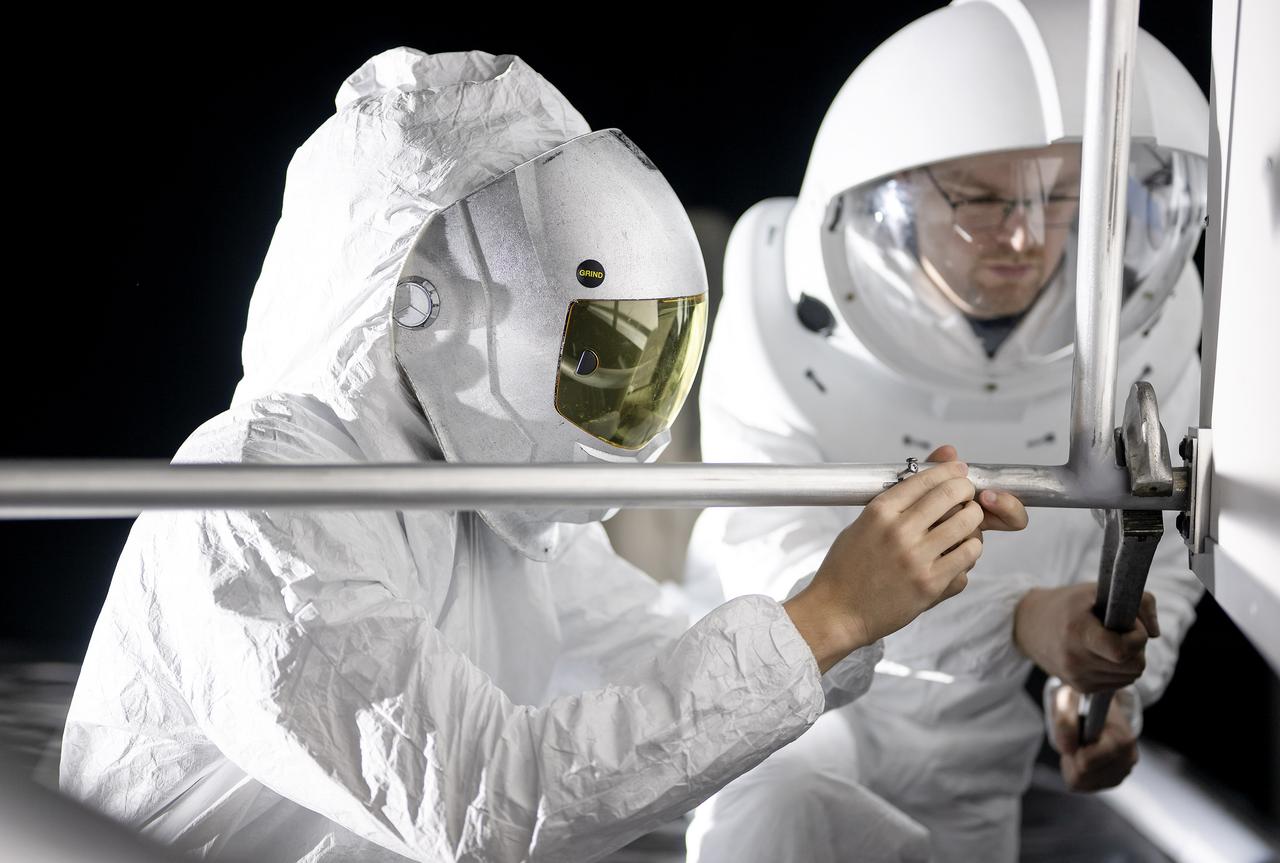
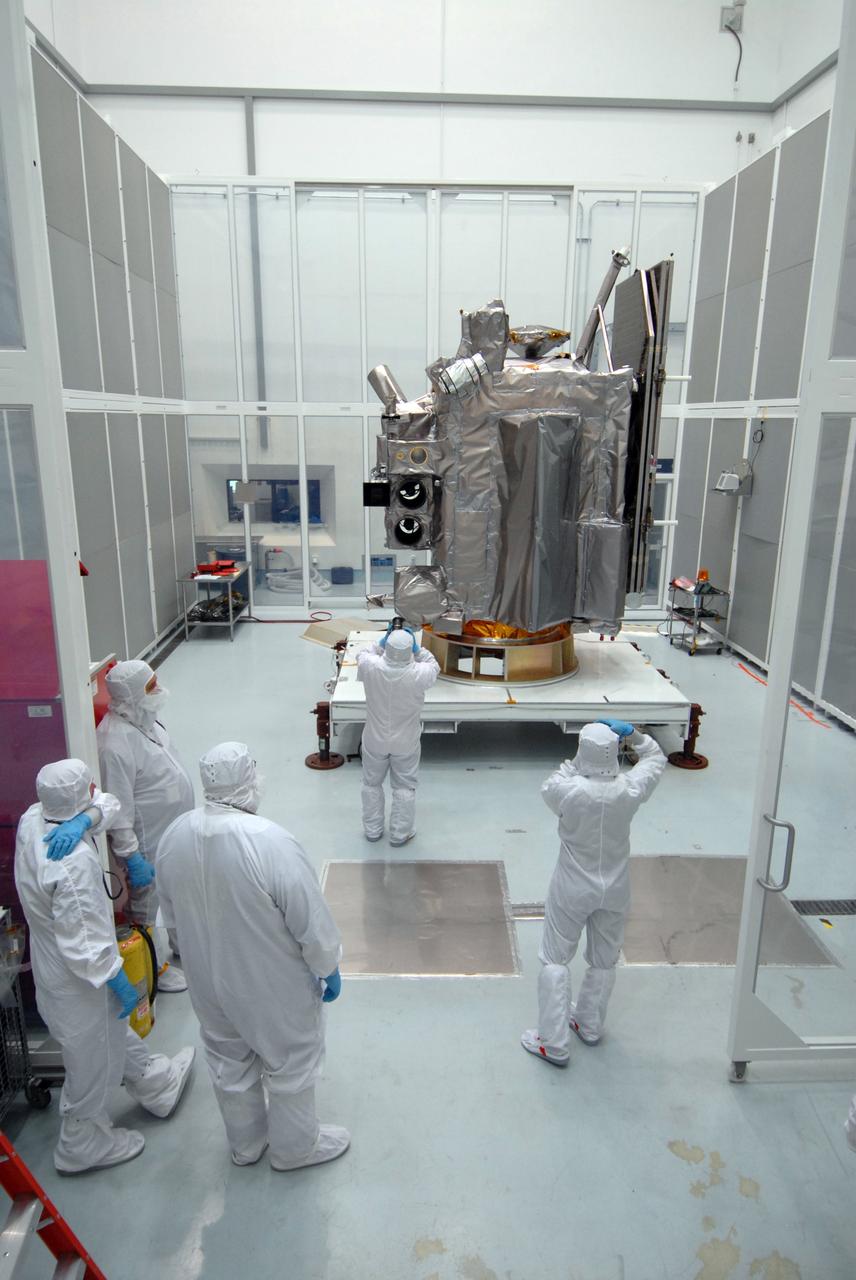
On August 19, NASASpaceFlight confirmed two milestones in the same breath: Stoke Space has completed its first-stage engines and is actively conducting fit checks on the second stage. In rocket development language, that means real hardware exists, the pieces are coming together physically, and engineers are verifying that everything connects the way the CAD model promised.
It's the unglamorous work that happens before the fireworks. Fit checks aren't photogenic. But they're the step that separates a rendering from a rocket.
Why does full reusability change the math for space?
Getting a kilogram of cargo to orbit currently costs somewhere between $1,000 and $5,000 depending on the rocket. SpaceX drove that price down dramatically by recovering Falcon 9 first stages. But they're still discarding their upper stage on every mission — hardware worth tens of millions of dollars, gone after a single flight.
If you recover both stages, your cost-per-launch drops again. Dramatically. And when launch costs drop, the entire logic of what's worth putting in space changes — experiments that never left the ground go to orbit, smaller companies can afford satellites, manufacturing in microgravity becomes commercially viable.
There's a less obvious benefit too. Right now, the SkyLens live tracker shows over 16,000 objects in Earth orbit — satellites, debris, and spent rocket stages that nobody can steer. Full reusability means fewer of those dead upper stages accumulating in low Earth orbit. Counterintuitively, a rocket that comes home might be better for the orbital environment than one that doesn't.
Is Stoke Space actually going to pull this off?
That's the honest question nobody wants to ask during a milestone announcement. So let's ask it.
Rocket startups are extraordinarily hard. For every company that reaches orbit, there are a dozen that burned through funding between milestones. Relativity Space — once a darling of the industry — pivoted away from rockets entirely. Virgin Orbit went bankrupt. Rocket Lab is one of the very few small-launcher startups to reach orbit and stay there.
Stoke's dome-thruster upper stage has no direct flight heritage. Nobody has flown this architecture at orbital scale before. That's what makes it genuinely exciting — and what makes it genuinely risky. Novel engineering means novel failure modes. The path from fit checks to a successful first flight is not a short one.
To be fair to Stoke: completing engines and conducting hardware fit checks is real, tangible progress. These aren't animations or press releases. Engineers are physically holding these components. That matters more than most announcements in this industry.
What comes next for Nova's first launch?
After fit checks come integrated vehicle tests — assembling the full rocket to verify every system communicates with every other system. Then static fire testing, where engines ignite on the ground for controlled seconds at a time. Then a launch campaign. Then, if the physics cooperate, a first flight attempt.
NASASpaceFlight used the phrase "potential 2026 debut" — cautious language for a reason. Rocket schedules slip. What the milestone news actually tells us is that a 2026 attempt is in the range of possibility, not just aspiration. That's a meaningful shift.
The quiet reusability race is heating up. While the industry fixates on the largest vehicles, a small team in Washington State is attempting something that would genuinely change the economics of reaching orbit. Follow more space stories on SkyLens as Nova moves toward the pad.
And in the meantime, everything already in orbit is flying overhead right now. Open the SkyLens live tracker to watch all 16,000 objects in real time — including every spent upper stage that a fully reusable rocket might one day replace.
SkyLens editorial — live CelesTrak + NASA/JPL data (16106 objects)
Get the free Night Sky Field Guide
Spot the ISS, Starlink trains and more with the naked eye — plus occasional SkyLens updates.
🔒 No spam. Unsubscribe anytime.
Related stories