Space News · 2026-09-05
Isar Aerospace Spectrum: Europe's First Private Orbital Rocket Just Attempted Its Maiden Launch From the Arctic
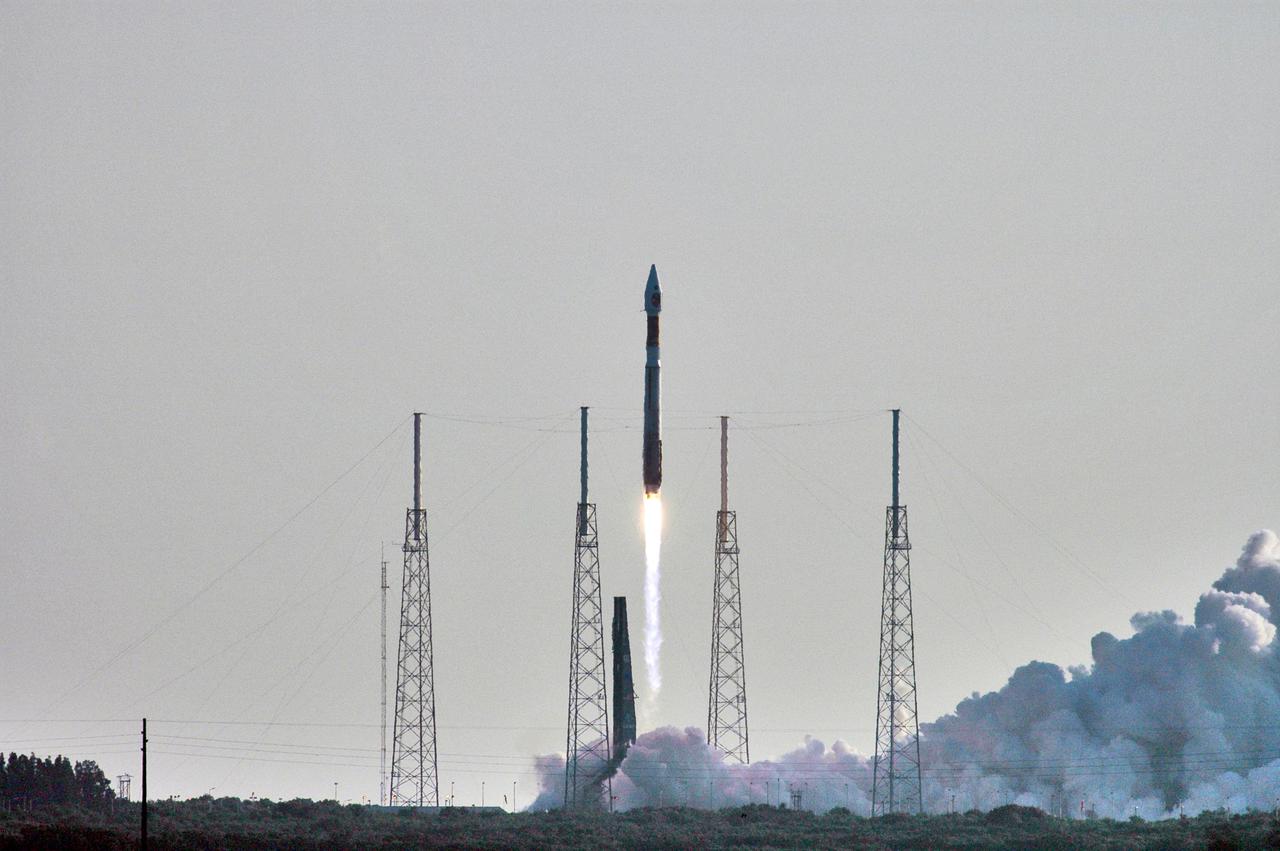
A rocket born in a Munich engineering lab just attempted to reach space from a fjord in northern Norway. Eight years of work. One launch window. If it succeeds, Europe never has to ask another country for permission to reach orbit again.
Today, Isar Aerospace — a startup founded in 2018 by a group of young engineers in Ottobrunn, Germany — attempted the maiden flight of their Spectrum rocket from Andøya Space Centre. It is the most consequential moment in European commercial spaceflight in a generation. And almost nobody is talking about it.
What is the Spectrum rocket?
Spectrum is a two-stage launch vehicle designed to carry up to 1,000 kg into orbit — roughly the mass of a mid-sized car in satellites. It burns liquid oxygen and propane, a cleaner propellant choice than the kerosene most rockets use. No black carbon trail. No soot lingering in the stratosphere for years. Just water vapour and CO₂, 80 kilometres up where it matters most.
The launch site is Andøya Space in northern Norway — one of the most dramatic rocket pads on Earth. It sits inside the Arctic, surrounded by fjords and open ocean. From there, Spectrum reaches polar and sun-synchronous orbits almost directly overhead — no dogleg manoeuvres, no wasted fuel. That's exactly the trajectory Earth-observation, weather, and intelligence satellites need. It's a smarter location than Florida for this kind of mission, and Europe built it.
Why did it take eight years?
Isar was founded in 2018. Eight years from founding to launch pad sounds slow until you remember that SpaceX's original Falcon 1 took similar time — and failed on its first three attempts before finally reaching orbit on attempt four. Building a rocket from scratch, in a country with no private launch industry, with no inherited military-industrial supply chain, is genuinely one of the hardest engineering problems a company can attempt.
Isar faced engine development delays, Norwegian regulatory approvals, Arctic infrastructure construction, and the basic physical reality that rocket engines are extremely difficult to make reliable. None of that is unusual. What is unusual is that they got this far at all.
Who else is racing for Europe's small launch market?
The global small-launch market is suddenly very crowded — and the stakes are high. First to reach orbit reliably wins the contracts. Second place survives. Third place calls its investors.
- RocketLab Electron (New Zealand/USA) — the established leader, 50+ launches, already commercial
- Rocket Factory Augsburg (Germany) — also European, also still in development
- Orbex Prime (UK) — targeting a Scottish launch site, still pre-flight
- ABL Space, Relativity Space (USA) — American competitors with mixed progress
Isar is not the only European contender. But they are the first to stand on a pad and attempt to light the engines. That matters. In this industry, momentum is everything.
What happened at today's launch attempt?
As of publication, Isar Aerospace has confirmed Spectrum's first launch attempt is underway from Andøya. The company has been transparent that maiden launches are learning flights as much as success attempts. Every second of telemetry — whether the rocket makes orbit or not — feeds the next iteration.
This is standard modern rocketry doctrine. SpaceX declared Starship's first integrated flight a "success" because they gathered enough data to improve. RocketLab failed on attempt one and two before succeeding on attempt three. The question for Isar isn't only "did it reach orbit." It's "what did we learn, and how fast can we fix it?"
Why does European launch independence actually matter?
Here is the part that gets overlooked in the hype. When Russia invaded Ukraine in 2022 and Soyuz access evaporated, Europe suddenly had no affordable small-satellite launcher. Ariane 6 was delayed. Vega-C had just failed on a commercial mission. For a period measured in years, European scientific institutions queued behind American commercial providers — paying American prices, on American timelines, reviewed against American national-security policies.
That's a real strategic vulnerability. The continent that invented Galileo, built Sentinel, and operates the world's most advanced weather satellites could not reliably put a small payload in orbit without calling someone else.
Isar Aerospace, Rocket Factory Augsburg, Orbex — they're not just startups chasing VC returns. They are Europe's strategic hedge against exactly that situation happening again. You can track the current orbital picture — all 16,106 satellites above Earth right now, the vast majority launched on American or Chinese rockets — on the SkyLens live tracker. The day a European payload rises on a European rocket, that catalog changes in a way that matters beyond spreadsheets.
Does propane actually matter as a rocket fuel?
More than most people realise. Kerosene rockets — the kind that powered the Saturn V, Falcon 9's first stage, and most of the world's boosters — produce black carbon soot. That soot is injected directly into the stratosphere, where it absorbs solar heat and stays for years. With launches increasing from dozens per year to hundreds, the atmospheric chemistry implications are no longer trivial.
Propane burns cleaner. Methane (used by SpaceX Raptor engines) burns even cleaner. Isar's propellant choice is an engineering decision today, and a climate decision at scale tomorrow. It is one of the details that gets no headlines — and should get more.
For more on how orbital mechanics, propellants, and launch trajectories actually work, the SkyLens learn section breaks it down without the jargon.
What comes next?
If today's attempt is a partial success — reaching altitude but not orbit — Isar will likely attempt again within months, incorporating what the flight computers logged. If it's a full mission success, the commercial launch queue opens immediately: European earth-observation companies, defence agencies, and research institutions have been watching this pad very carefully.
If it ends early, as first flights often do — Isar continues. The funding is there. The team is there. And the strategic need in Europe is not going anywhere.
SkyLens editorial — live CelesTrak + NASA/JPL data (16106 objects)
Get the free Night Sky Field Guide
Spot the ISS, Starlink trains and more with the naked eye — plus occasional SkyLens updates.
🔒 No spam. Unsubscribe anytime.
Related stories