Space Politics · 2026-08-27
Artemis Accords: The Space Treaty 71 Countries Signed — and Why Russia and China Are Refusing
Seventy-one countries just signed a treaty about who gets to mine the Moon. Two of the most powerful spacefaring nations on Earth refused.
It's called the Artemis Accords. And it might be the most consequential document you've never heard of.
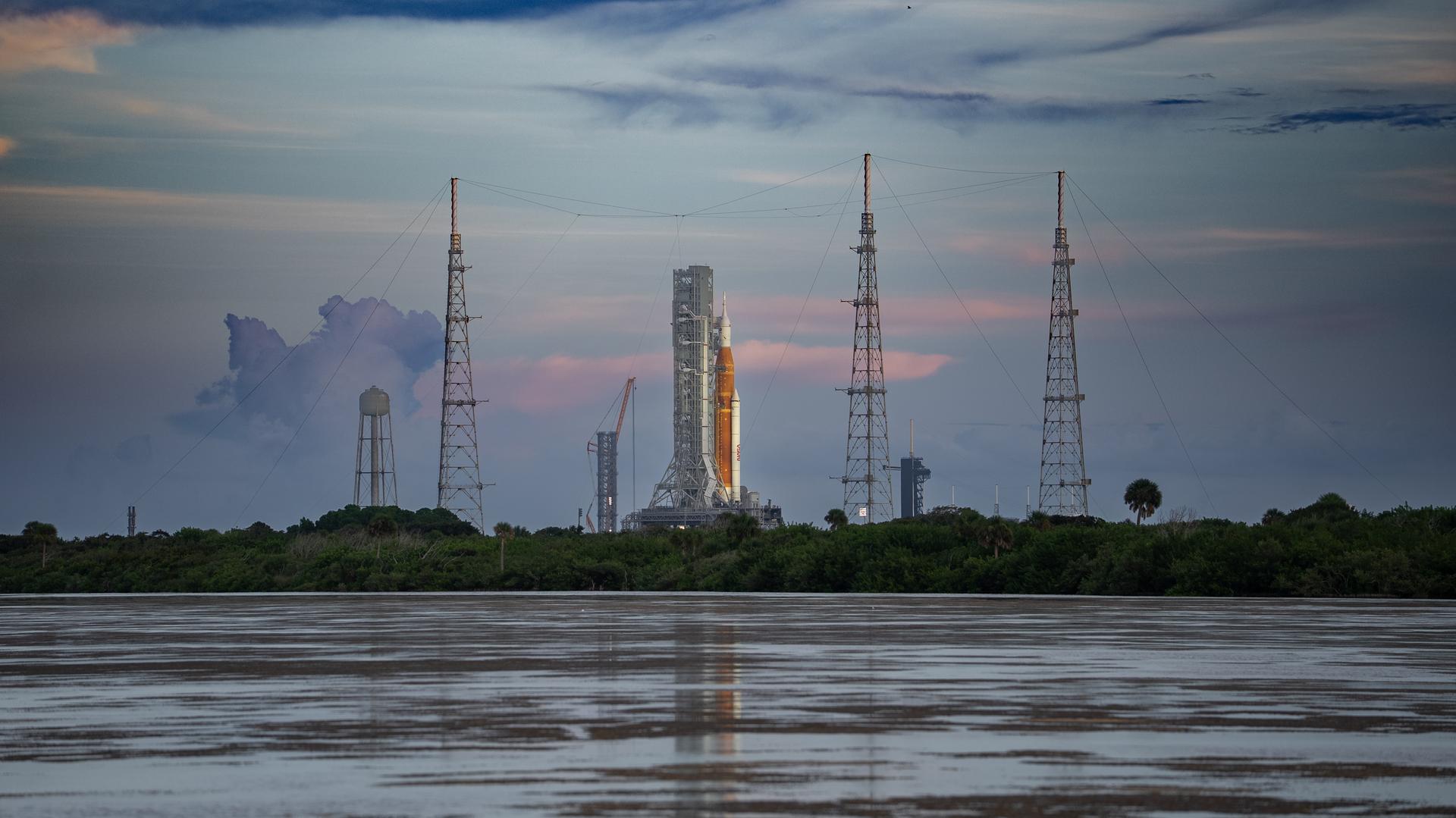
On August 31, Turkey signs on as the 71st signatory at a ceremony at NASA Headquarters in Washington. NASA Administrator Jared Isaacman will preside. Turkey's space agency, founded just eight years ago, is joining a coalition that's quietly rewriting the rules for an era when humans — and their robots — will be permanent fixtures beyond Earth.
The question nobody's asking loudly enough: what happens when the countries that didn't sign show up anyway?
What are the Artemis Accords and what do they actually say?
The Artemis Accords are a set of principles — not a legally binding treaty — created by NASA and the US State Department in 2020. They build on the foundation of the 1967 Outer Space Treaty, which established that space belongs to all of humanity and cannot be claimed by any nation.
But the 1967 treaty never imagined a world where companies could physically land on the Moon, drill for water ice, and ship it home. The Accords fill that gap. In plain terms, they say:
- You can mine the Moon. Your companies can keep what they extract.
- You can declare a safety zone. Other operators should stay clear of your lunar base.
- Apollo sites are protected. Nobody bulldozes Tranquility Base.
- You have to be transparent about what you're planning and where.
- You clean up your junk. Operators commit to deorbiting dead hardware.
Why did Russia and China refuse to sign the Artemis Accords?
Russia's Roscosmos was direct about it. Former director Dmitry Rogozin called the Accords "too US-centric" — an attempt to dominate space by writing rules that benefit American corporations first. Moscow's argument: the resource extraction clauses violate the Outer Space Treaty's core principle that space is the "common heritage of all mankind." If you can claim what you mine, you're effectively claiming territory. The treaty says you can't do that.
China agrees — and has been quietly building its own parallel framework. Beijing is co-opting Belt and Road partners into the International Lunar Research Station (ILRS), a Chinese-Russian alternative to the US-led Artemis programme. As of 2026, they have around a dozen partner nations in that separate coalition, targeting the same destination: the lunar south pole.
To be fair to Beijing and Moscow: they have a point worth considering. The Accords were written in Washington and reflect American legal interpretations. The resource extraction clauses trace directly back to the 2015 US Commercial Space Launch Competitiveness Act, which unilaterally declared that American companies can own what they extract from celestial bodies — a position that remains contested under international law.
However — and this matters — the US isn't the only country that wrote space resources legislation based on the same framework. Luxembourg did. The UAE did. Japan did. The Accords have quietly become the de facto rulebook for the entire Western-aligned space economy, with 71 countries now inside the tent.
Is Turkey signing the Artemis Accords significant?
On the surface, another flag on the map. But Turkey is a NATO member with an active national space agency, a stated goal of reaching the Moon by 2030, and a famously complicated position between East and West — it has bought Russian air defence systems and American F-16s in the same decade. Its signing is a clear signal: when it comes to space, Ankara is aligning with Washington.
That matters because the Accords aren't just about principles. They're about market access. Signatories are more likely to be included in NASA joint missions, shared lunar infrastructure contracts, and the commercial ecosystem being built around Artemis. Countries that stay out are implicitly excluded from the most ambitious construction project in human history.
What happens if China and Russia land on the Moon without signing?
This is the part nobody has a clean answer to.
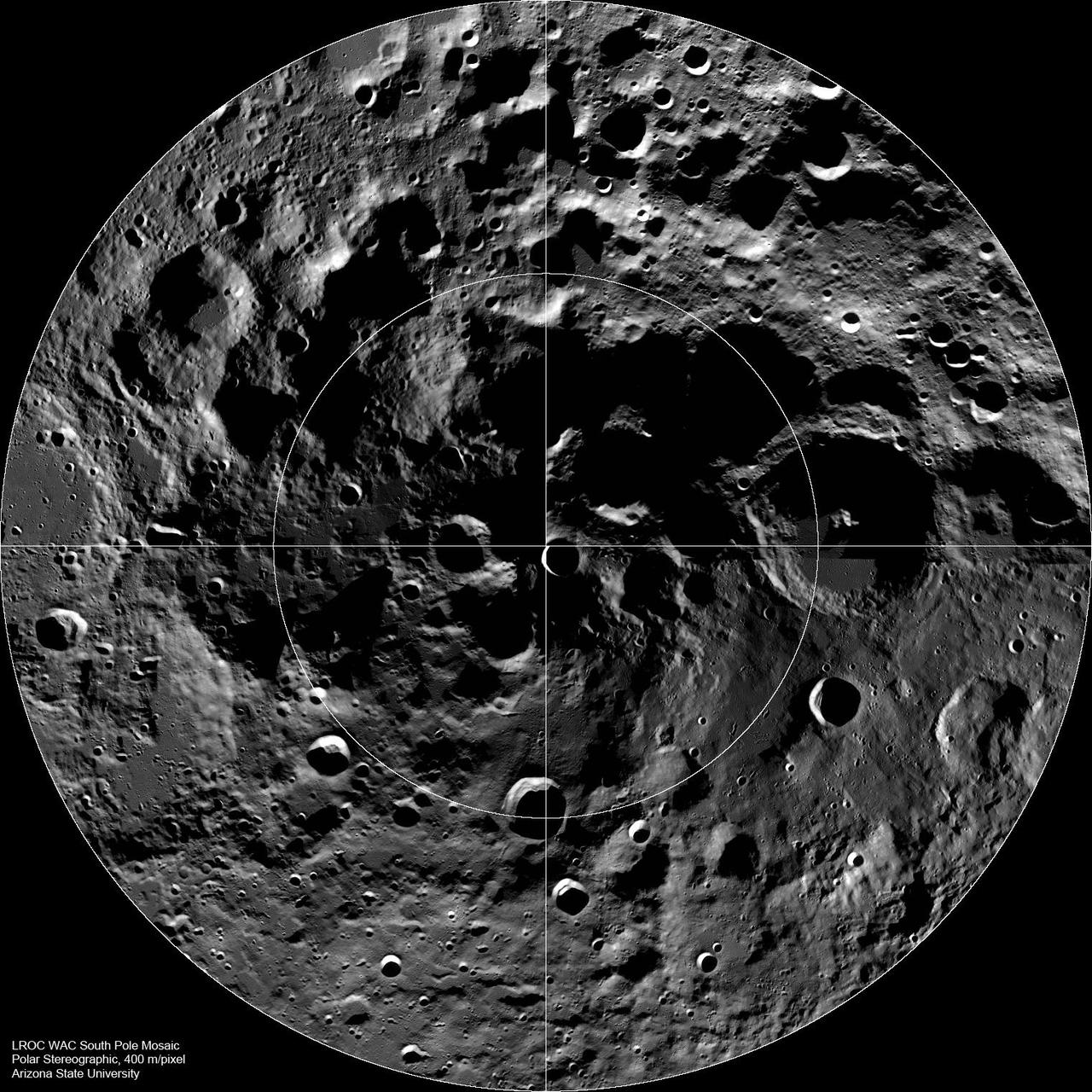
The ILRS — China and Russia's planned lunar station — targets the Moon's south pole in the early 2030s. NASA's Artemis programme has the same target zone. Both want the south pole because that's where the water ice is. Water ice means rocket fuel. Rocket fuel means whoever controls those deposits controls the logistics of everything that comes after — refuelling depots, Mars missions, the entire next chapter.
The Accords include "safety zones" around lunar operations. But they have no enforcement. If a Chinese outpost and an American outpost both declare overlapping safety zones on the same crater rim, there is no space court to arbitrate. No space police. Just two superpowers, billions of dollars invested, staring at each other across a few kilometres of airless regolith.
The Accords ask signatories to make "best efforts" to avoid harmful interference. China and Russia aren't signatories. That clause simply doesn't apply to them. You can track which nations' satellites are already operating overhead right now on the SkyLens live tracker — 16,000+ objects, visible in real time.
Could the Artemis Accords become real binding space law?
The honest answer: we don't know yet. The Accords have no UN backing. They carry no treaty status under international law. They are, technically, a coalition of the willing.
But precedent matters enormously. The 1967 Outer Space Treaty began as a US-Soviet agreement during the height of the Cold War — two superpowers agreeing not to weaponise orbit or claim the Moon. It eventually became the foundational document for all of space law, ratified by 115 nations. What started as a superpower handshake became humanity's rulebook.
The Artemis Accords could follow the same arc. Or they could calcify into one of two competing systems — the Moon quietly divided not by a line on a map, but by which framework your country signed up to before the first shovel hit the regolith.
Either way, the rules for humanity's next century are being written right now. Not in Geneva. Not at the UN. In NASA press releases, at quiet signing ceremonies, and in the deliberate absences of countries that looked at the rulebook and said: we'll write our own.
Turkey just picked a side. They're the 71st. The question nobody can answer yet is what happens when the two frameworks meet at the same crater — and there's no one left to call. For more on how space law and orbital activity intersect, explore the SkyLens learn page or read more stories from the SkyLens editorial team.
SkyLens editorial — live CelesTrak + NASA/JPL data (16106 objects)
Related stories