Space News · 2026-10-10
Commercial Space Station: NASA Just Asked Private Companies to Build Humanity's Next Orbital Home — Before the ISS Goes Dark in 2030
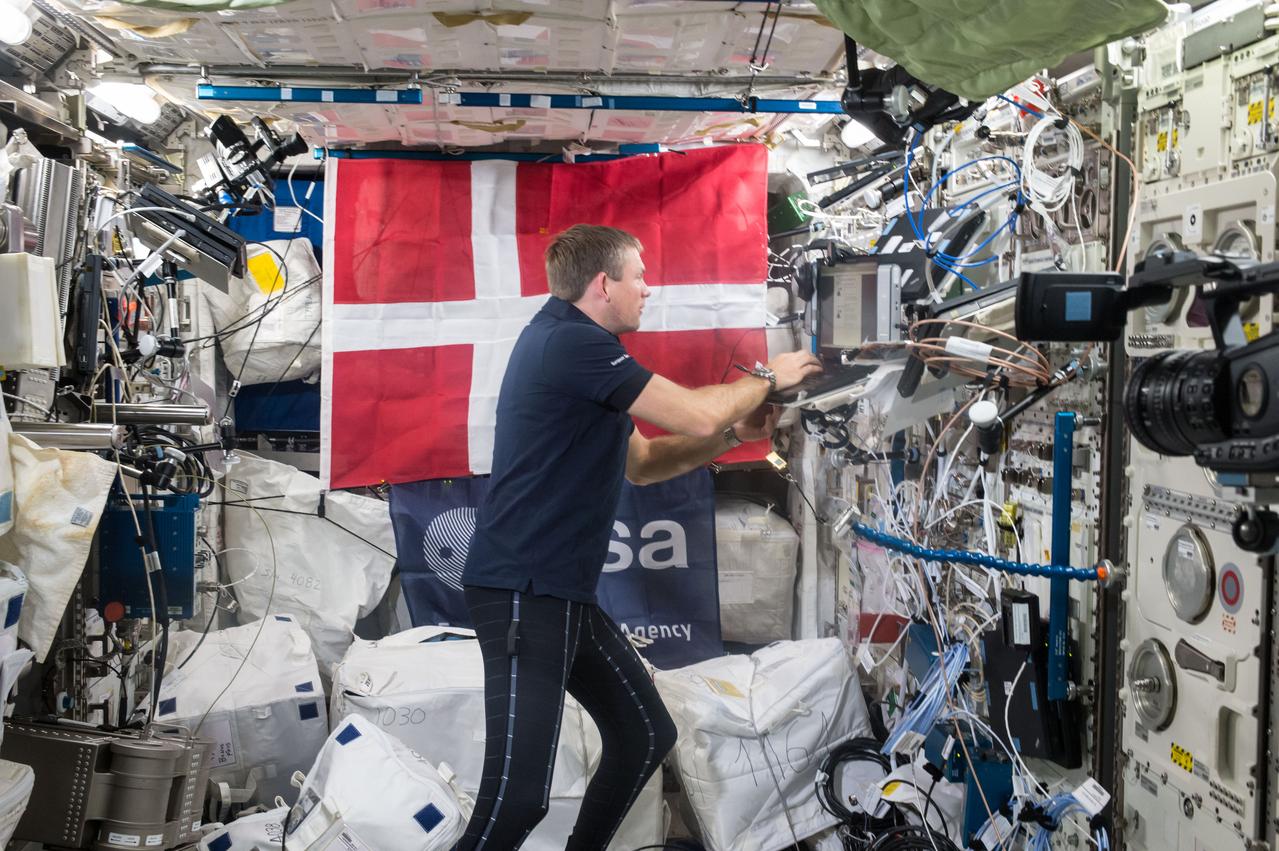
The International Space Station has been continuously crewed since November 2, 2000. Twenty-six years without a single gap. In 2030, it gets crashed into the Pacific Ocean on purpose.
What fills the void just became official.
On October 9, 2026, NASA released its final Request for Solutions to American industry: build us the next space station. Not a government program. Not a multinational treaty. A private venture — built by companies, operated for profit, and ready before the ISS burns up on re-entry.
What is a commercial space station?
A commercial space station is a privately owned and operated orbital outpost — not a government program. Instead of NASA building and owning it, private companies design, fund, and launch their own stations, then sell time on them back to NASA, pharmaceutical researchers, film crews, and eventually space tourists. The program is called Commercial Low Earth Orbit Destinations (CLDs).
Think of it this way: instead of the US government building and running every airport, it hands the runways to private operators and buys tickets when it needs to fly. That's the model NASA is applying to orbit.
Why is NASA ending the government space station era?
The ISS took 13 years to assemble in orbit, required 15 nations, more than 40 Shuttle flights, and approximately $150 billion in combined international funding. No government in 2026 is willing to repeat that.
The commercial model is faster and cheaper — at least in theory. It's the same logic that drove NASA to SpaceX for cargo and crew: let the private sector compete, drive costs down, and NASA buys the services it needs. "We've made it clear that NASA will never give up its presence in low Earth orbit," the agency said in its October 9 announcement. The strategy just changes how it pays for that presence.
Who is building the next space station?
Several companies have been developing competing concepts with NASA seed money since 2021. The October 2026 Request for Solutions is the final competitive call that decides who actually gets built:
- Axiom Space — already attaching commercial modules directly to the ISS; plans to detach and fly independently after 2030. The most advanced and the most likely to bridge any gap between stations.
- Blue Origin's Orbital Reef — a self-described "mixed-use business park in space," co-developed with Sierra Space and Boeing. Designed to host up to 10 people simultaneously.
- Voyager Space's Starlab — a single-launch inflatable station with a built-in lab. Lower cost, faster schedule, smaller crew capacity.
- Northrop Grumman — a modular design meant to grow over time, similar to how the ISS was assembled but owned by a defense contractor.
What happens if the commercial stations aren't ready in time?
That's the question nobody wants to answer publicly. The ISS structure is aging — metal fatigue, degrading seals, and micrometeorite punctures accumulate every year. The agencies managing it have agreed: 2030 is a hard deadline, not a soft target.
If a commercial replacement isn't flight-ready by then, NASA faces a gap scenario — a period where US astronauts have no orbital destination at all. The options would be uncomfortable: extend a structurally stressed ISS at enormous cost, or negotiate access to China's Tiangong station, which carries obvious geopolitical complications.
Why does this matter for people on Earth?
Low Earth orbit isn't just a proving ground for exploration. The ISS has been an active research platform for 26 years. Microgravity produces protein crystals that are impossible to grow on the ground — some have led directly to new cancer drug formulations. Materials tested in the combined radiation and vacuum of orbit cannot be replicated in any Earth lab. And every lesson learned about keeping humans alive for six months in space gets applied to the Mars missions now being planned for the 2040s.
A gap in crewed orbital presence isn't just a pause in exploration. It's a pause in a research platform built up over a generation. You can watch the ISS pass overhead in real time on the SkyLens live tracker — at 7.66 km/s, it completes a full orbit every 92 minutes. These are the final years of the original station.
Is this the end of international space cooperation?
In its original form — possibly. The ISS was born from Cold War diplomacy: a deliberate symbol of US-Russia cooperation after decades of standoff. That era ended when Russia suspended its ISS partnership in 2024. China operates its own Tiangong station and has invited other nations to collaborate on its own terms.
The commercial model doesn't prevent international science — it changes who sets the terms. Axiom already has customers from multiple countries. The cooperation going forward won't be brokered by governments signing treaties. It will be companies negotiating contracts. Different power dynamic entirely.
The ISS will re-enter the atmosphere in a controlled deorbit sometime around 2030, splashing down in the remote South Pacific — the same ocean graveyard used for old Progress cargo ships and defunct satellite hardware. Its replacement hasn't been named yet. NASA just opened the formal selection process. Read more SkyLens space stories, or head to SkyLens Learn to understand how orbital mechanics, re-entry, and station-keeping actually work.
SkyLens editorial — live CelesTrak + NASA/JPL data (15968 objects)
Related stories