Space Race · 2026-08-23
Zhuque-3: China's Rocket Stuck the Landing — Then Fell Over
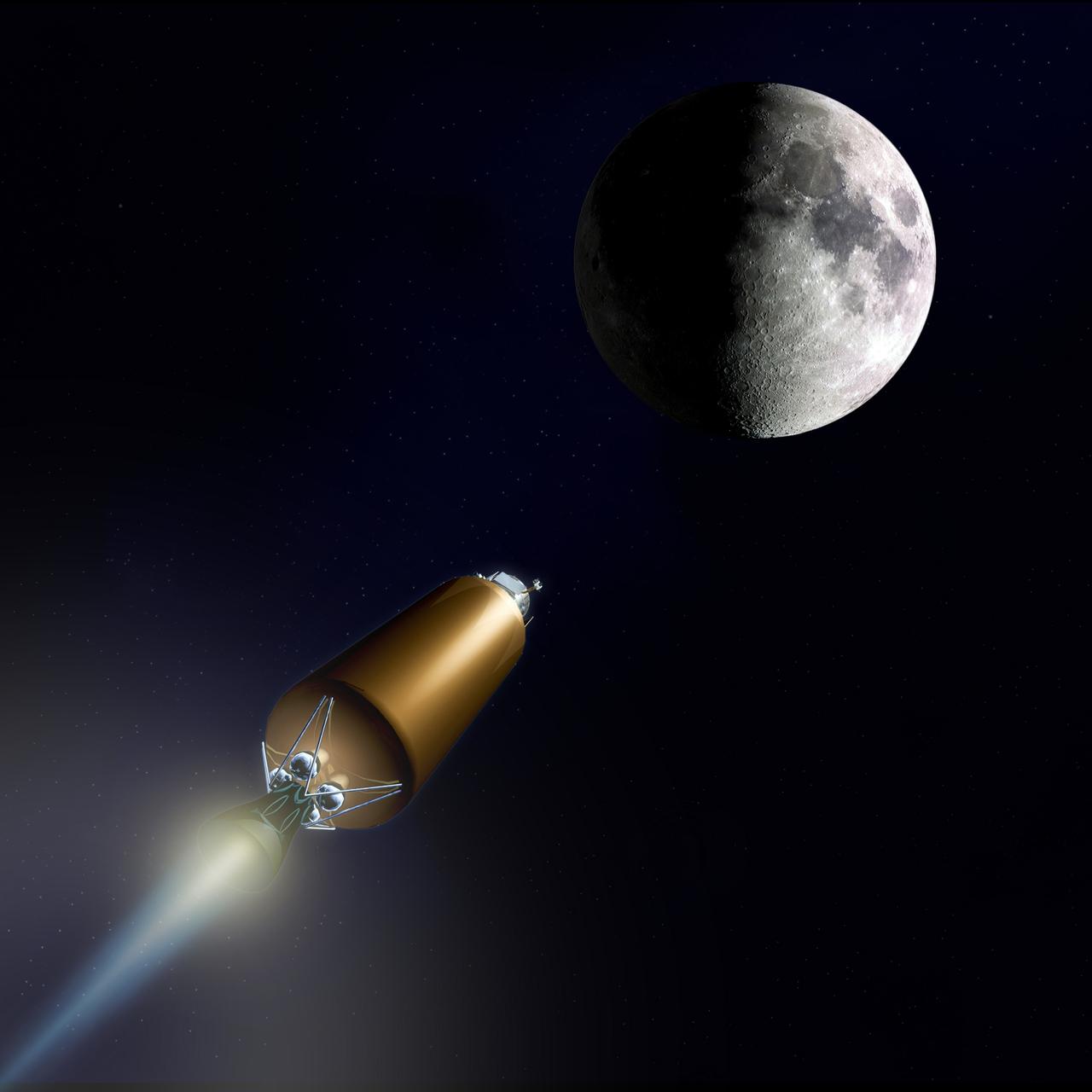
The rocket fired its landing engines. Slowed itself from orbital velocity. Guided itself down through kilometres of atmosphere with millimetre precision. Touched the pad — softly, exactly where it was supposed to land.
For one extraordinary second, China's commercial space industry had done something almost no one outside SpaceX has ever pulled off: brought a booster back from the edge of space and set it down alive.
Then Zhuque-3 toppled.
What is the Zhuque-3 rocket?
Zhuque-3 is LandSpace's fully reusable orbital rocket — and LandSpace is not a company you should underestimate. Their previous vehicle, Zhuque-2, became the world's first methane-fueled rocket to reach orbit in December 2023. That's right: a Chinese startup beat SpaceX's Starship to orbit on methane. By months. While the whole world was watching Starship explode on the Texas coast, a company most people in the West had never heard of was quietly winning.
Zhuque-3 is the bigger bet. A reusable first stage, throttleable engines for precision landing, deployable legs on descent — the whole Falcon 9 playbook, rebuilt from scratch, running on liquid methane and liquid oxygen. Check the live tracker sometime and look at China's satellite fleet: 830 objects and climbing. There's a reason they're building the rockets to match.
Why is propulsive landing so hard?
A rocket first stage re-enters the atmosphere at roughly 3 kilometres per second — fast enough to cross the Atlantic in under 8 minutes. It then has to flip around, fire engines against its own momentum, and touch the ground at less than 5 metres per second. All of it autonomous. All of it in about 8 minutes. And it has to get that right on the first try, every time, in wind, in varying temperatures, with sensors that have just survived re-entry plasma.
SpaceX attempted this 8 times before sticking its first Falcon 9 landing in December 2015. Then several more failed at sea before ocean platform landings became routine. The physics don't care about your ambitions.
So what actually happened when Zhuque-3 toppled?
On August 23, 2026, Zhuque-3's first stage executed what LandSpace called a milestone landing. The booster came back. It found the pad. It touched down.
Then — based on footage reported by NASASpaceflight — it slowly fell over.
LandSpace has not confirmed the exact cause as of this writing. What is publicly clear is this: the landing itself worked. The booster guided itself to the target. The topple came after touchdown, which places it in a very specific category of failure that is both frustrating and, weirdly, encouraging.
To be fair: LandSpace is framing today as a milestone — because it is one. The propulsive landing phase succeeded. Something went wrong in the moments after. Engineers will spend the next weeks studying telemetry frame by frame to find it.
Possible causes being discussed in the engineering community: a leg locking mechanism that didn't fully engage (one leg gave way, causing tilt), soft-ground compression at the landing zone, or instability in the vehicle's centre of mass before ground crews could secure it. None of this is confirmed. Speculation is cheap. Telemetry is expensive to read, and LandSpace has it.
Has this exact thing happened before?
Yes. Famously. In January 2016, SpaceX's Falcon 9 stuck its first ocean platform landing — and then a landing leg collapsed and the rocket toppled. The footage is almost identical to what we're seeing from Zhuque-3 today. SpaceX's engineers called it "rapid unplanned disassembly." They identified the leg locking mechanism. They fixed it. They never had that problem again.
That's the brutal mathematics of rocketry. You don't find these failure modes in a simulator. You find them on the pad, in real time, on camera, with the whole internet watching. The humiliation is the data.
Why does Chinese commercial rocketry suddenly matter this much?
Because right now, only one company on Earth reliably lands and relaunches orbital-class boosters at scale: SpaceX. That monopoly shapes everything — launch prices, which satellites get funded, which countries can afford orbit access at all.
If LandSpace makes reusability routine, the economics of everything shift. The 16,106 satellites currently tracked in orbit could double within a decade. Weather prediction, communications, surveillance, navigation — all of it gets cheaper and faster when a second actor drives down launch costs.
China's commercial space sector went from effectively zero to serious in under ten years. Last year, another Chinese company demonstrated its own reusable rocket. Now LandSpace has achieved a propulsive landing milestone. The gap is closing faster than most Western analysts predicted. And Western analysts have been consistently wrong about this for a decade.
What happens next for Zhuque-3?
LandSpace will assess the physical damage. If the first stage core survived — which early reports suggest is possible, since the vehicle was moving slowly at the moment of topple — the fix could be relatively quick. A leg mechanism. A software tweak to the post-landing stabilisation sequence. A ground support structure adjustment.
If the damage is structural, the timeline extends. But LandSpace is not running short on funding or government attention. Another flight will come. The question is how many flights it takes before the milestone becomes routine.
Space is hard. The pad keeps score. And right now, the score reads: propulsive landing achieved, post-touchdown stability under investigation, next flight pending. Follow the story on the SkyLens blog as LandSpace updates come in — and track what's actually overhead right now on the live satellite tracker.
SkyLens editorial — live CelesTrak + NASA/JPL data (16106 objects)
Related stories