UAP · 2026-05-28
PURSUE Record — GO FAST — U.S. Navy UAP encounter, 2015: U.S. Navy · Atlantic Ocean — USS Theodore Roosevelt Carrier Strike Group · January 21, 2015
GO FAST is a 35-second military sensor video filmed from a U.S. Navy F/A-18F Super Hornet over the Atlantic Ocean on January 21, 2015. Officially declassified and released by the Department of Defense on April 27, 2020, the footage captures a small, dark object tracked at low altitude over open water. Named for the object's apparent velocity, the clip includes exclaimed pilot audio and has become one of the most technically analyzed UAP records in the public domain. It is catalogued as a single-file VID entry in the PURSUE Release 01 set on the SkyLens UAP files page.
What this record contains
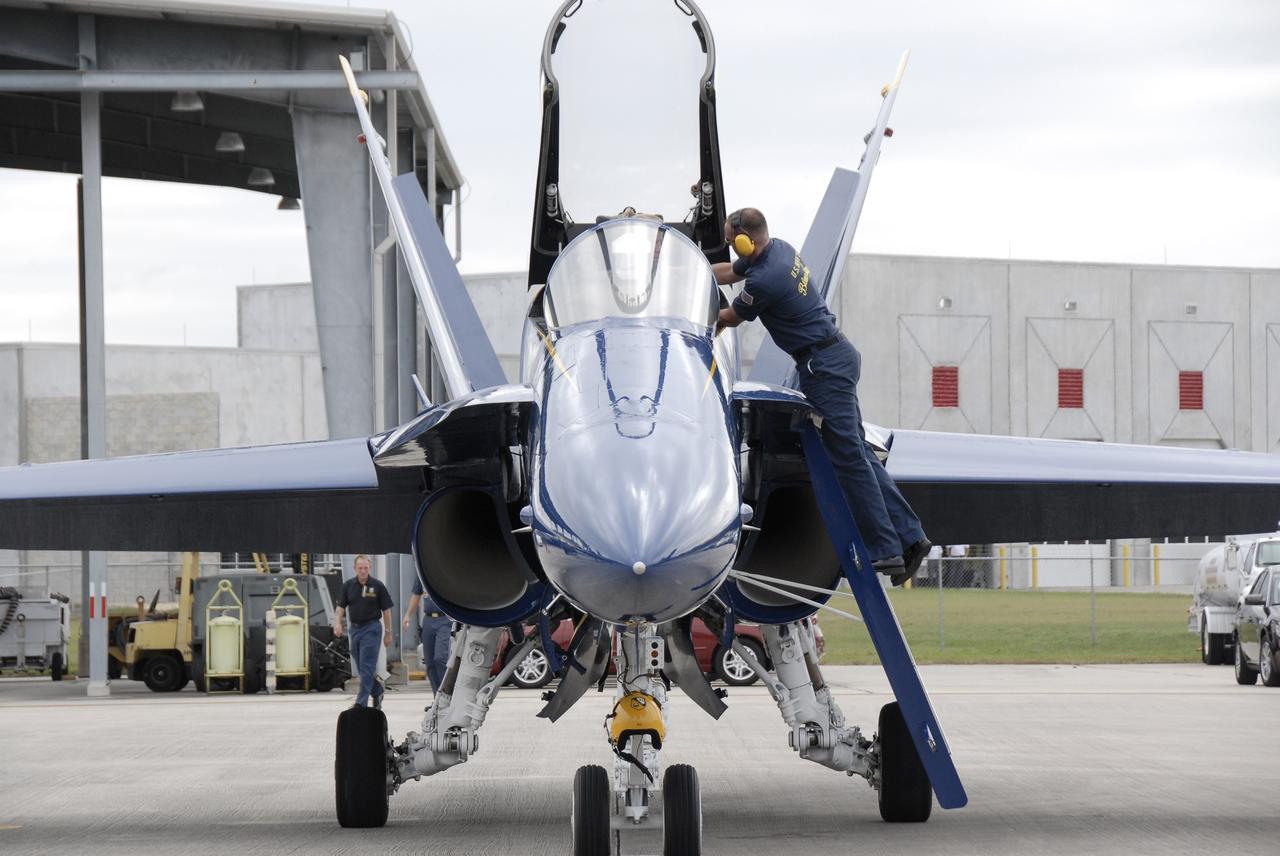
The record is attributed to the U.S. Navy and describes 35 seconds of forward-looking infrared footage acquired by an F/A-18F Super Hornet crew operating with the USS Theodore Roosevelt Carrier Strike Group — the same deployment that produced the separately released GIMBAL video. The incident date is January 21, 2015, and the location is the Atlantic Ocean. The public release consists of a single file part. The official description notes that the footage shows a small, dark object skimming low over the ocean surface at apparently high speed, accompanied by pilot audio that includes the exclamation "Look at that thing! It's rotating!" The object's apparent motion gave rise to the name GO FAST, which is how the footage circulated internally before its public release.
Sensor & operational context
The video was captured using a Forward-Looking Infrared (FLIR) system — a passive sensor that detects differences in thermal radiation rather than reflected visible light. FLIR pods aboard F/A-18 platforms are designed for target identification and tracking, and their imagery is interpreted alongside other avionics data including altitude, airspeed, and sensor bearing angle. One critical complication in reading airborne FLIR footage of this type is parallax: because the recording aircraft is itself moving at speed and altitude, an object near the ocean surface will appear to traverse the frame rapidly even if its actual ground speed is modest. The sensor's narrow field of view amplifies this effect considerably. Analysts who have examined the metadata embedded in the original file have argued that the object's apparent velocity in GO FAST may be substantially accounted for by this parallax geometry, placing the object's actual speed closer to surface wind speed. Other analysts maintain that the reported rotation and flight characteristics are not fully explained by that model. The public release does not include supplemental radar lock data or onboard telemetry, which limits independent verification of the object's true velocity and altitude.
What this does and does not prove
What the record documents is this: a Navy crew on a routine deployment observed and recorded an object they could not immediately identify, named the clip after its apparent characteristics, and the footage was formally reviewed and declassified years later. The object's identity remains officially unresolved. What the record does not establish is whether the object was physically anomalous, artificially propelled, or traveling at speeds that exceed known aircraft performance. The parallax question is genuinely open among credentialed analysts, and the public release lacks the supplemental telemetry that would settle it. Characterizing GO FAST as proof of extraordinary technology exceeds what the available record supports. Dismissing it as explainable sensor artifact is equally unsupported. It is, in the strictest sense, unidentified.
How it fits PURSUE Release 01
GO FAST entered the PURSUE Release 01 corpus as part of the U.S. Navy's contribution to the May 8, 2026 declassification effort coordinated by the Department of War. Alongside GIMBAL and the broader PURSUE coverage of sensor video cases from the same Roosevelt deployment, it represents the military sensor video category within a release that spans FBI archival material dating to 1947, NASA imagery, and contemporary Department of War mission reports — 162 documents in total. Its inclusion reflects the release's stated purpose: assembling investigative material across agencies and eras for public review, not issuing verdicts. Resolved and unresolved cases appear side by side to demonstrate analytical rigor, not to advocate for any particular interpretation of what is operating in the aerial domain.
Editorial note: This analysis is independent commentary on a publicly released document. The original record, source links, and full release metadata are catalogued on the SkyLens UAP files page alongside every other case in the PURSUE Release 01 set.
Official PURSUE Release 01 record · U.S. Navy · catalogued via images-api.nasa.gov
Get the free ebook: 12 government UFO cases they still can’t explain
Declassified documents, eyewitness accounts — plus an email when new PURSUE files drop.
🔒 No spam. Unsubscribe anytime.
Related stories