UAP · 2026-05-29
Edwards / Muroc 1951 — early USAF test-base sightings during high-altitude flight testing
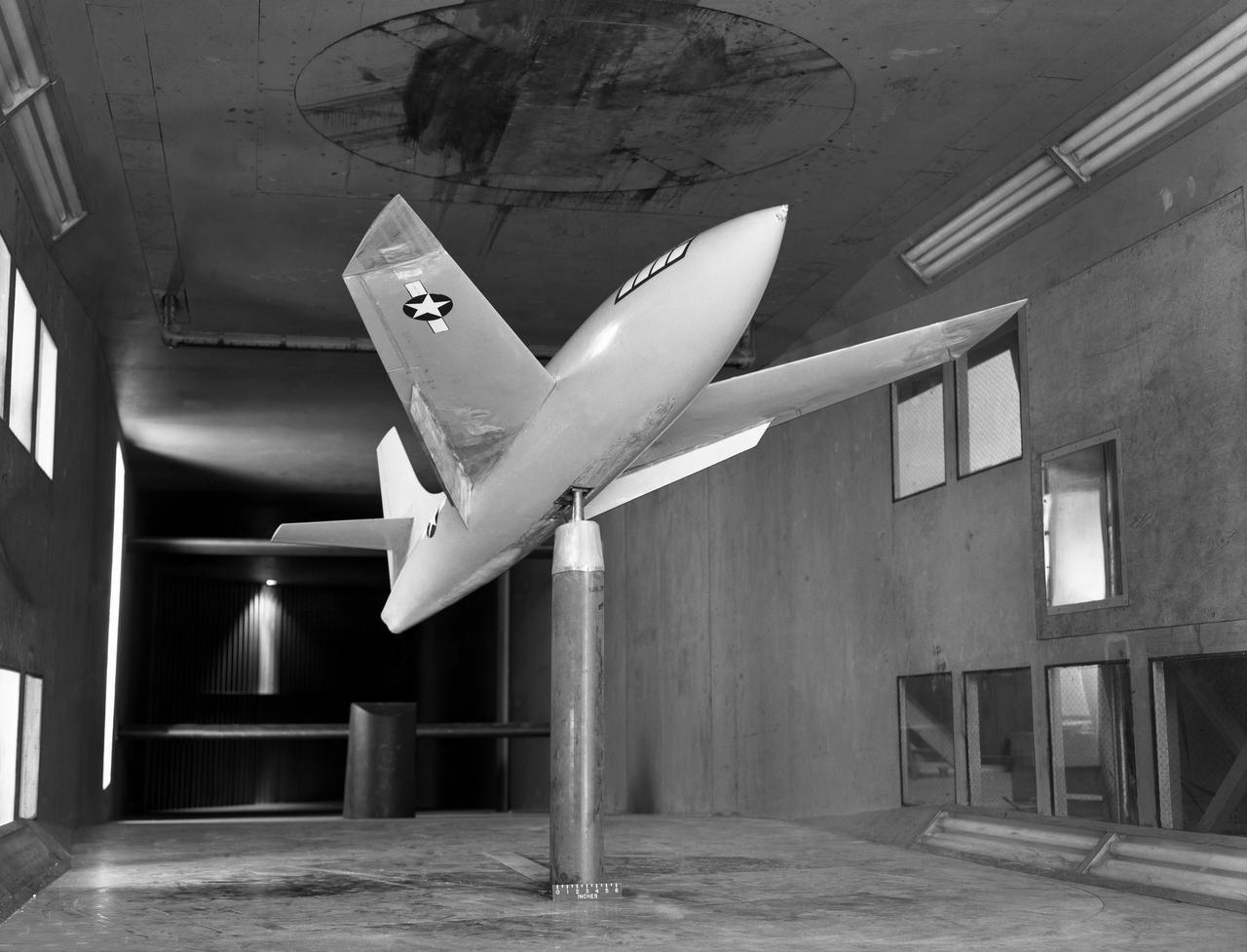
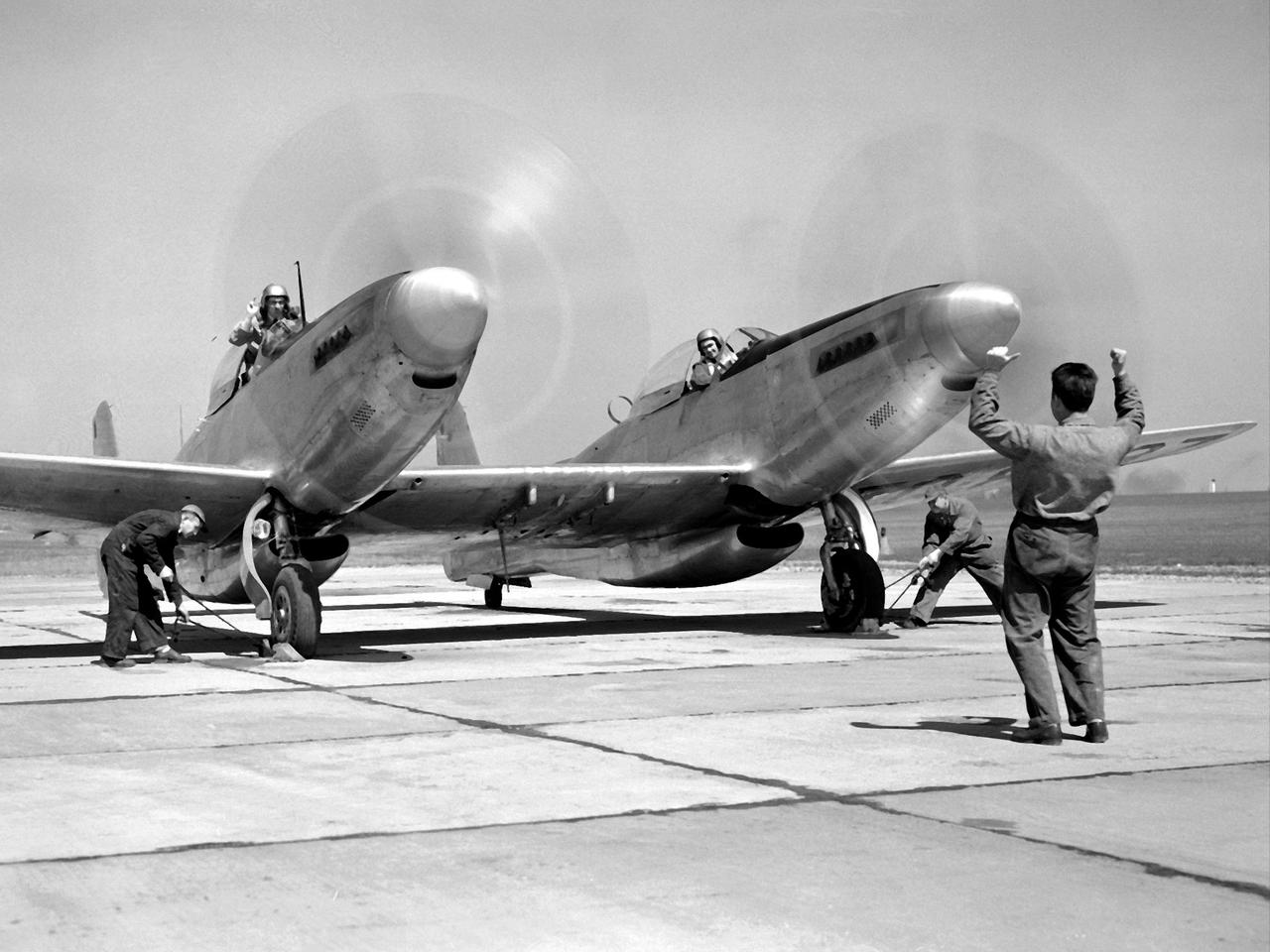
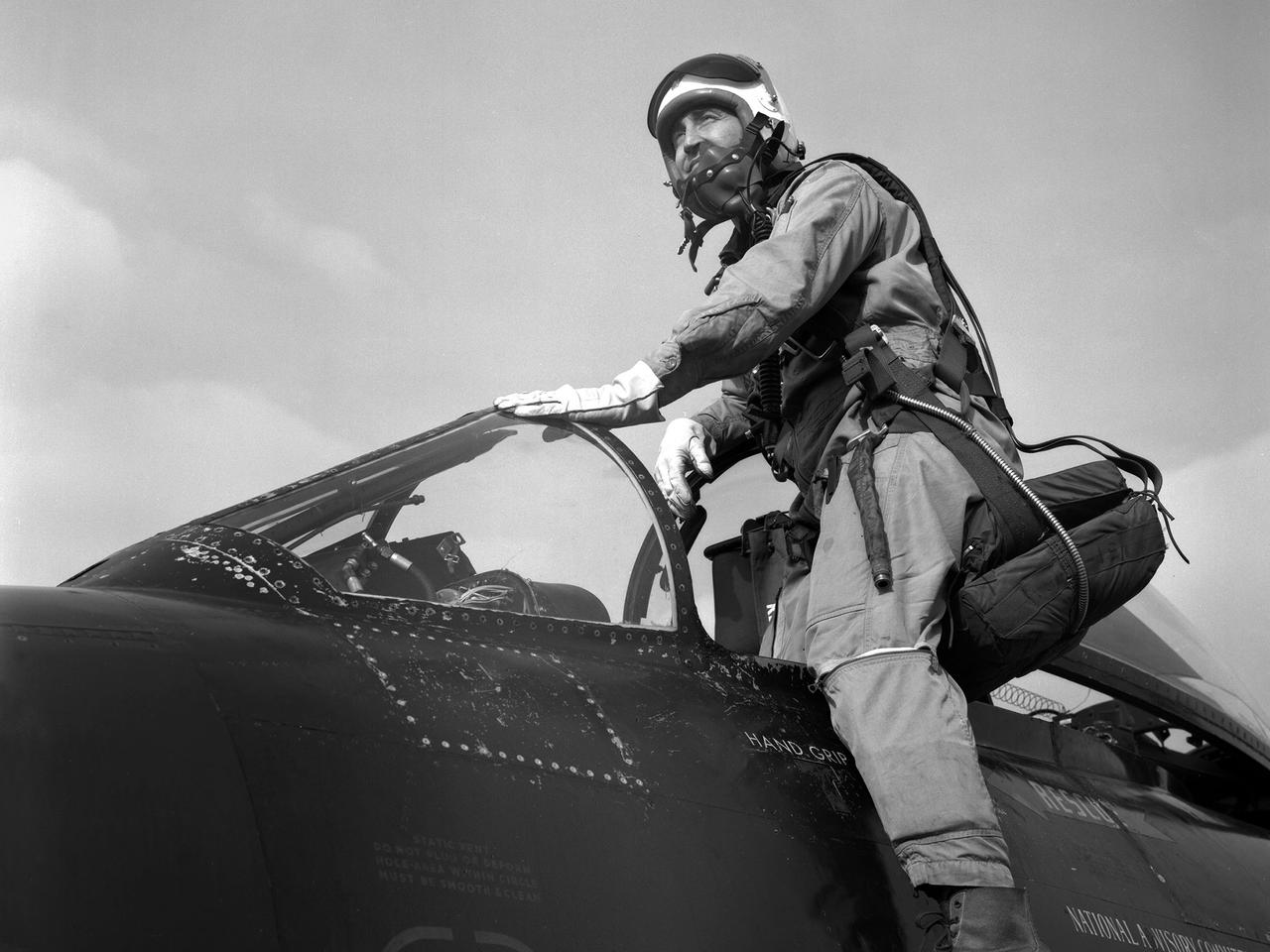
Across several incidents in the early 1950s, US Air Force personnel at Edwards Air Force Base in California — known earlier as Muroc Army Air Field, and the principal US flight-test centre throughout the early jet age — reported observing unidentified objects at high altitude during the same period in which the base was the operating site for the X-1, X-2, and a wide range of advanced experimental aircraft programmes. Several of these Edwards-area observations were retained in the Project Blue Book record as unidentified, and the period contributed substantially to the early Air Force assessment that UAP activity over flight-test ranges warranted institutional attention.
The flight-test context
Edwards in the late 1940s and early 1950s was operating at the leading edge of US aviation development. The X-1 supersonic programme had broken Mach 1 in October 1947, and the years that followed produced a dense schedule of experimental flights pushing performance envelopes that no other aircraft programme in the world was approaching. The observers at Edwards were therefore among the most aviation-literate personnel in the United States, with detailed familiarity with the visual and performance characteristics of every aircraft programme then operating in the western United States.
This context is essential to the institutional treatment of Edwards-area UAP observations. The conventional candidate of "misidentification of an unfamiliar aircraft" applies less readily at Edwards than at almost any other US installation of the period, because the base personnel were precisely the people who would have known about — or actually flown — any classified aircraft programme operating in the area.
The retained observations
Several Edwards observations from the early 1950s were retained in Project Blue Book as unidentified. These included observations made by base personnel from the ground, observations made by chase-plane pilots during experimental flights, and at least one reported observation in which a circular object was tracked visually at very high altitude in a position consistent with overflight of the base. The institutional response was substantial within the Air Force given the strategic sensitivity of the location.
The case in the broader record
The Edwards / Muroc observations are less famous individually than later 1950s and 1960s cases, but they are institutionally important because they were among the cases that informed the Air Force's early-1950s framing of UAP as a phenomenon requiring formal investigative process. The pattern of UAP activity at flight-test and weapons-test ranges across subsequent decades — including White Sands, the Nevada Test Site, and contemporary AARO-acknowledged activity at military test ranges — has structural continuity with the Edwards-era observations. For comparison with other historical test-range UAP cases in the SkyLens archive, see the UAP files page.
Editorial note: Independent SkyLens analysis of a Project Blue Book-era US Air Force UAP case or institutional process. The full Blue Book case index and related releases are catalogued on the SkyLens UAP files page.
SkyLens editorial — Project Blue Book and US institutional archive
Get the free ebook: 12 government UFO cases they still can’t explain
Declassified documents, eyewitness accounts — plus an email when new PURSUE files drop.
🔒 No spam. Unsubscribe anytime.
Related stories